THE NEW AVEDON DOC, MY EARLY DAYS AT VOGUE & BEING SHOT BY HIM AT 21...
The new Avedon documentary, directed by Ron Howard, just started airing on Netflix, and I watched it the first night and I couldn't help but think about my early life in New York City publishing. Everyone always tries to attach themselves to whatever news event is happening at the moment, so, I hesitated to write this, because it's of course not about me, but about how Avedon has affected the entire second half of the 20th century. I just happened to be an eyewitness to some of it…
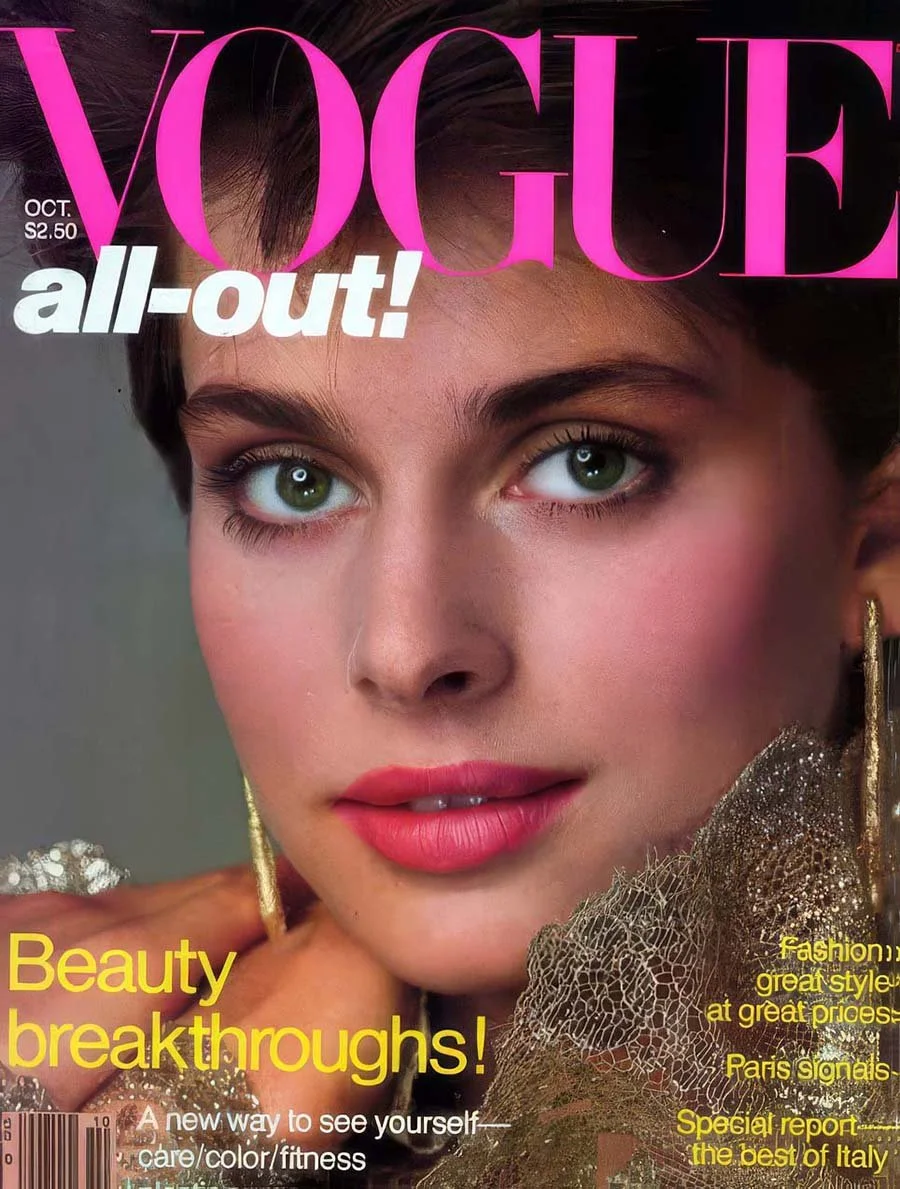
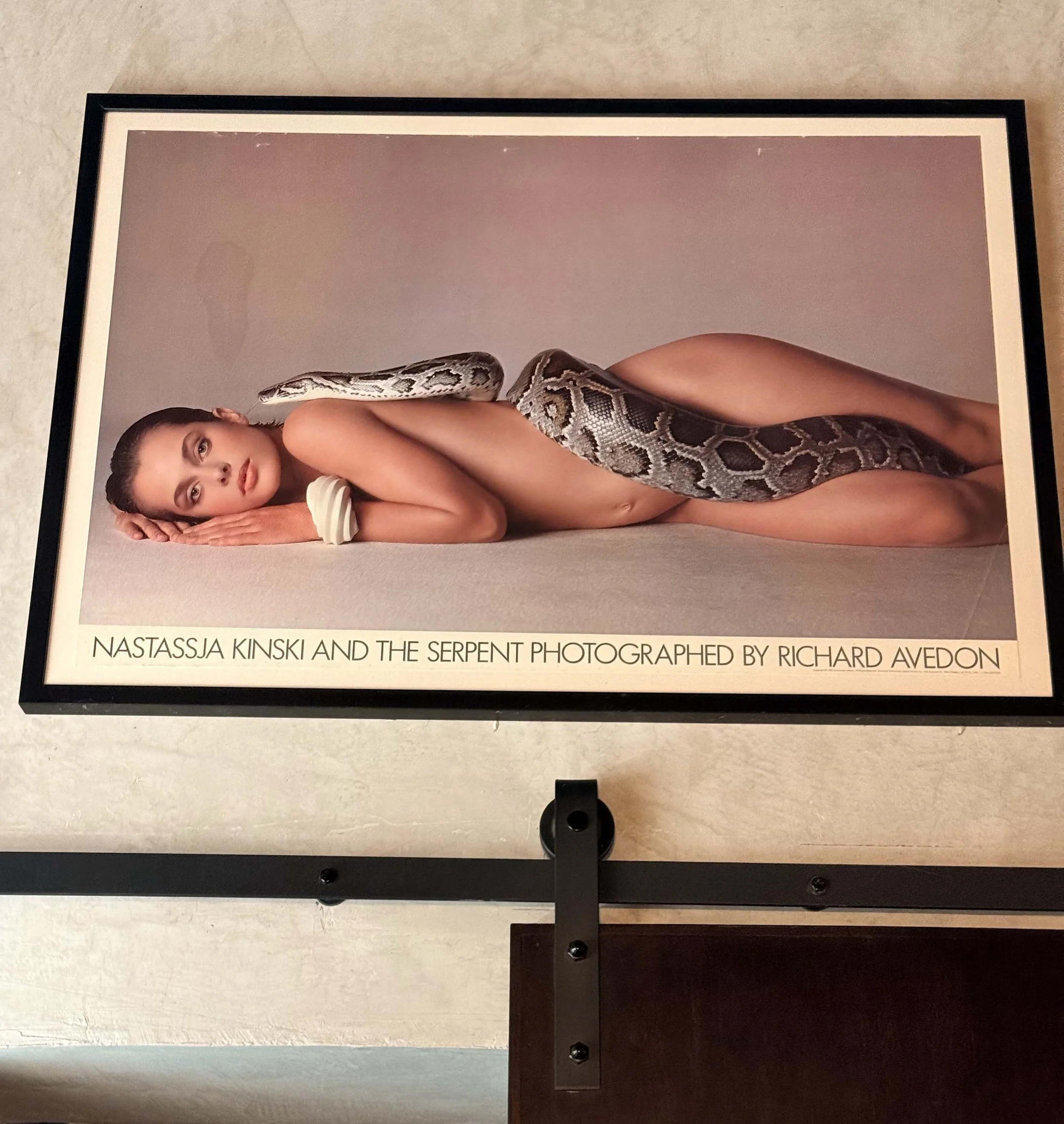
Avedon shot all of Vogue’s covers in the 80s, this was the month I started although I didn’t work on this issue. It’s famous for Kinski & the Serpent (see below in my kitchen in Mexico)
I got my first job at Vogue at 21 and worked in the art department and I often got to see a new Avedon photograph before most people. He shot all of our covers. For instance, Isabella Rossellini had just started modeling, and Avedon had shot a photograph of her holding a photo he had taken of her mother, Ingrid Bergman, in a similar pose. (It’s in the DC) When I saw that photograph, I had an idea that it would make a great fold-out cover. Rossellini on the cover, and then you fold it out to a picture of her mother. And then, of course, you could sell a gatefold ad on the back. So I told my boss, Mickey Soutendik, the idea, and she said, “Well, why don't you mock it up and show Alex?” Alex, being Alexander Lieberman, the editorial director of Condé Nast, was always popping into the Vogue art department, right next to where I sat. I stopped him one day and showed him my idea, and he said, "That's not a BAD idea." Emphasis on BAD. Nevertheless, we didn't do it.
My first issue at Vogue was the one that Kinski was photographed with the snake. THAT famous photograph. And the next year, Avedon sent over a pile of posters that he had just printed of that Kinski poster as well as a memorial poster for John Lennon, who had died a year or 2 before. I kept them for years in a flat file. I used to think that posters were sort of not cool. But I held on to them and others, and took them to Mexico with me, and I finally framed them and out them in my kitchen. After I saw them framed, I thought, why didn't Avedon sign them?
When I left Vogue, I, or rather, was asked to leave by Mickey (that's a whole ‘nother story). I ended up at House & Garden with Ruth Ansel and Charles Churchward, and then, very shortly, they were told to go to Vanity Fair as the new art directors, and they took me with them. Ruth and Charles had designed this giant poster in 1980 for an Avedon retrospective, and they gave one of them. And it has been on many of my walls over the years, always unframed. I brought it with me to Mexico, and now it's framed in my kitchen too. It is a 2-sided poster, and I have framed it in glass on both sides, although I have it leaning against the wall. I have it so I can hang it in the middle of the room and you can see it from both sides.
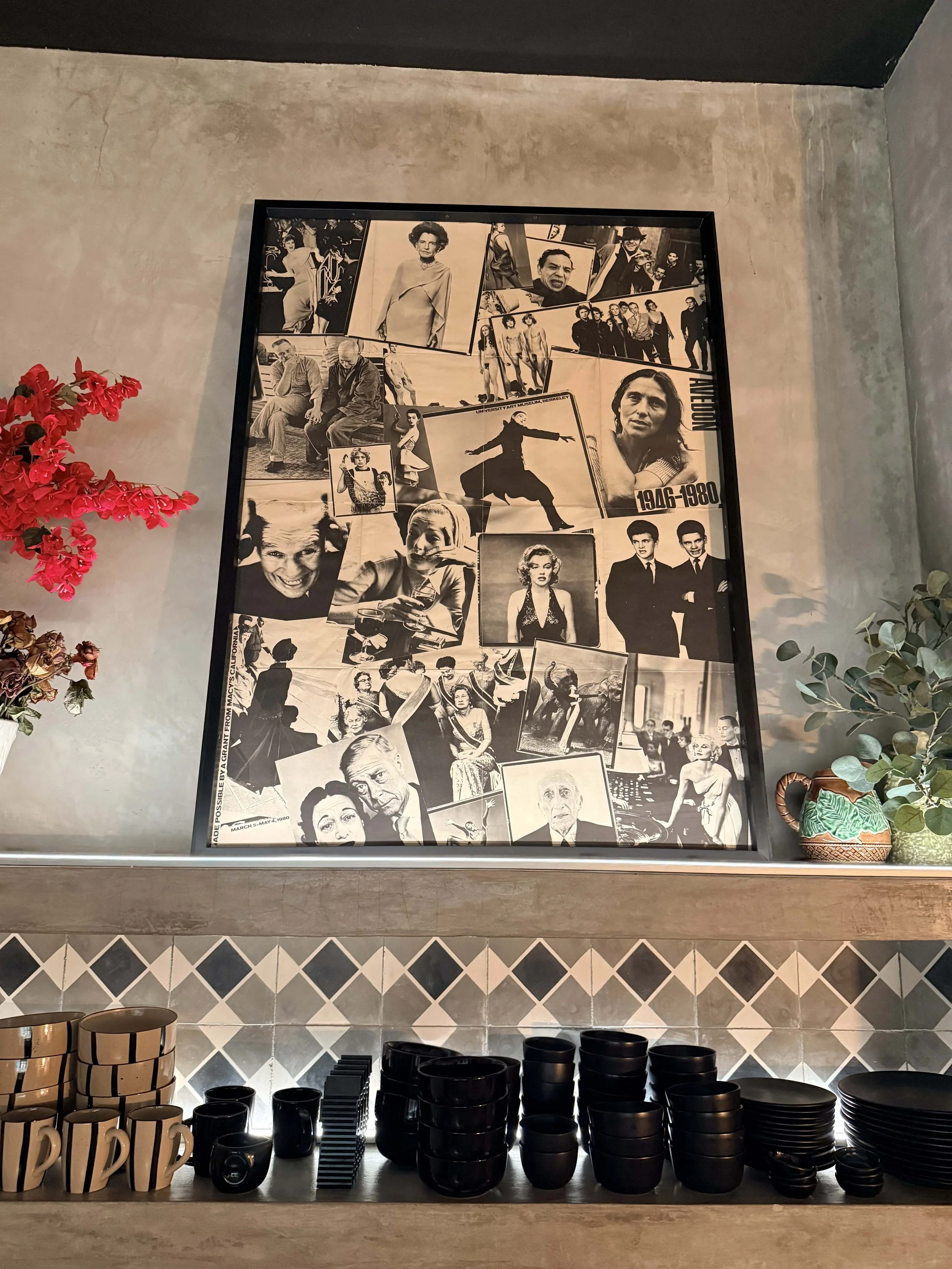
A rare double-sided poster in my kitchen in Merida, MX, approximately 40 × 55”.
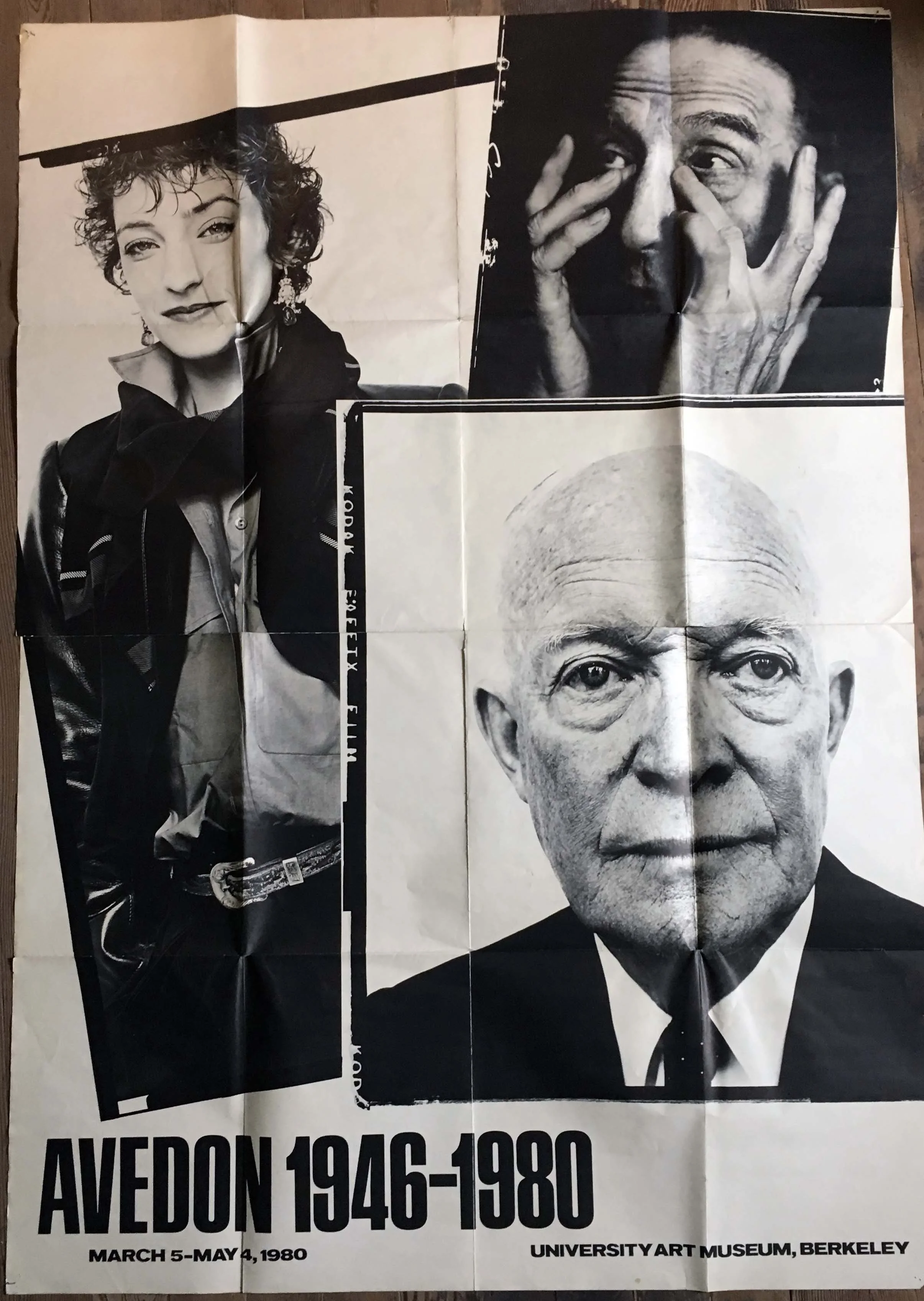
The reverse side of the above poster, designed by Ruth Ansel (who worked with Avedon at Harper’s Bazaar in the 60s & Charles Churchward who went on to art director Vogue for years.
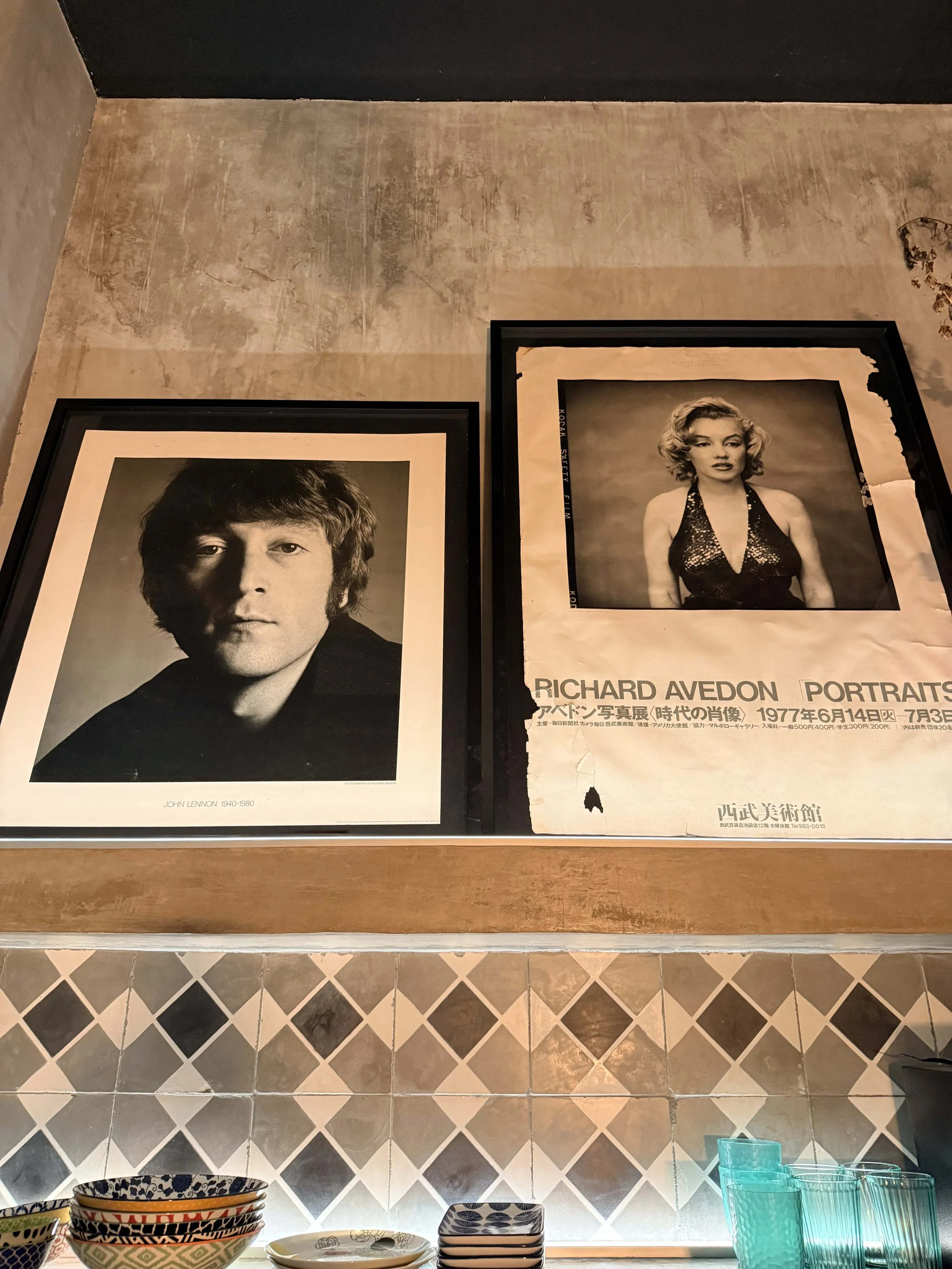
Also, a Marilyn Monroe poster of that amazing image of her that I can't remember where I got. It's Japanese from 1977, and it was heavily damaged and torn when I got it, so I never framed it. Also, it was huge and would be very expensive, but I took it with me to Mexico too, and now my kitchen is a large-scale mini Avedon retrospective.
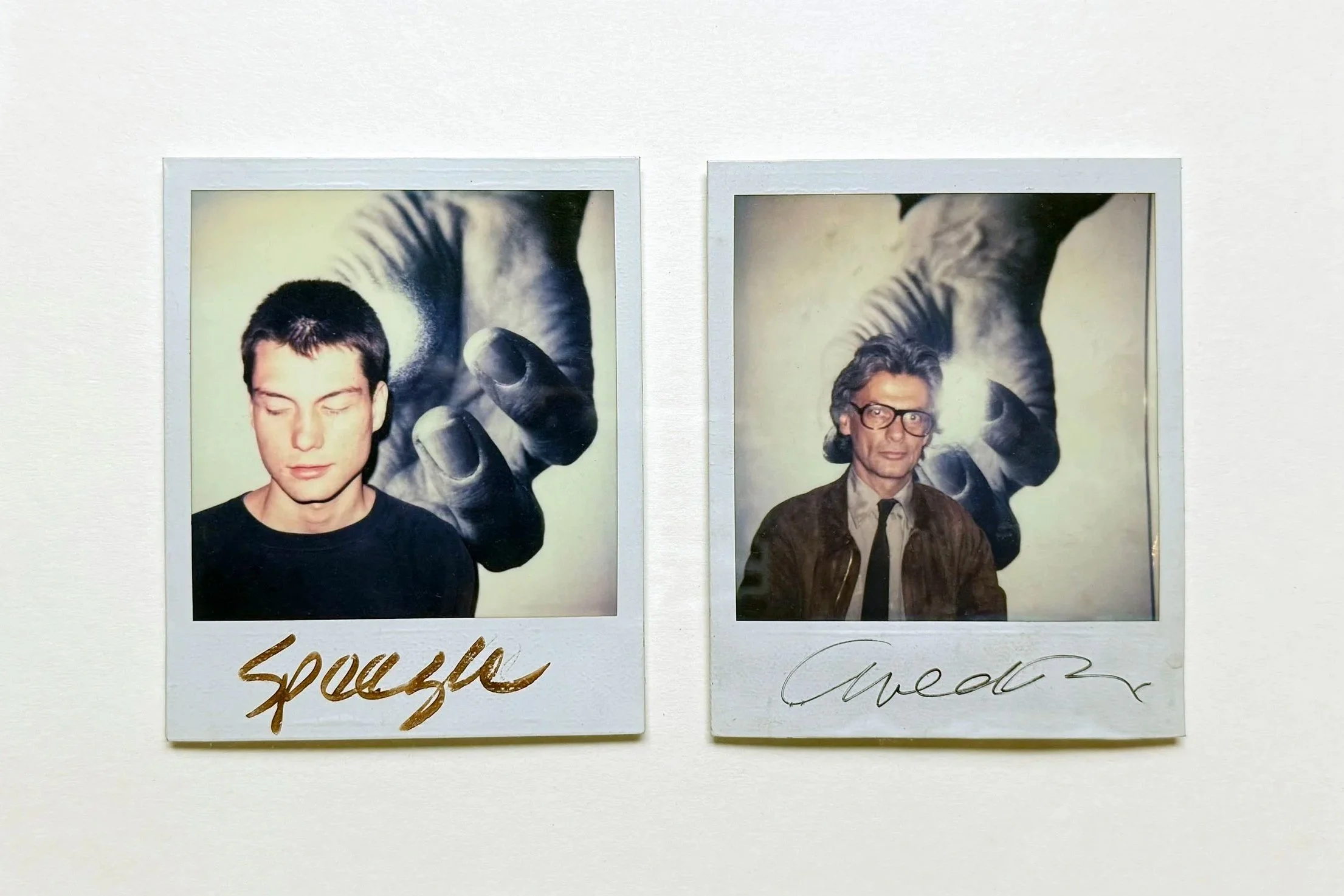
I was in Houston for an Avedon show at the Texas gallery in 1981, in between when I first came to New York and when I moved back and got a job at Vogue. There were only about 20 people at this opening. I was with some of the magazine staff from Houston City Magazine were I was working at the time. I wanted to take Avedon's Polaroid, but I didn't want to ask only him. So first, I photographed all my friends in front of his giant blow ups. Then I went to him and said, "Oh, I've taken pictures of all my friends in front of your photographs. Why don't you take mine picture and I'll take yours?” So he did. Glad I asked & still have it.
Yolanda Cuomo, who also worked at Vanity Fair in the art department when I was there, is featured in the doc talking about first coming across his work, “Who IS this guy?” And making the Obsession commercials with him, running around the studio, and pretending to kiss him, etc. She was one of the art directors that he really liked working with. Everyone loves Yo.
Brilliant art director, my pal, for 40+ years Yolanda Cuomo
One thing that wasn’t mentioned in the doc was his editorial contract and how unique it was. If you were doing a layout with an Avedon photo, it could face text, or another Avedon, but NOT another photographer's work! Nice, huh?
At one point after he had died, there was a gallery retrospective, not this last one for his 100th birthday at Gagosian, but before that, there was another show, I believe at Gagosian also. It might have been Pace. They showed the Warhol Factory photograph, which was also featured in the documentary, and Jay Johnson, who was in that photograph with his brother, Jed, was also at the opening, and just like the documentary, a young man decided to strip naked and stand in front of the Factory pic. Jay also posed (fully clothed) with him.
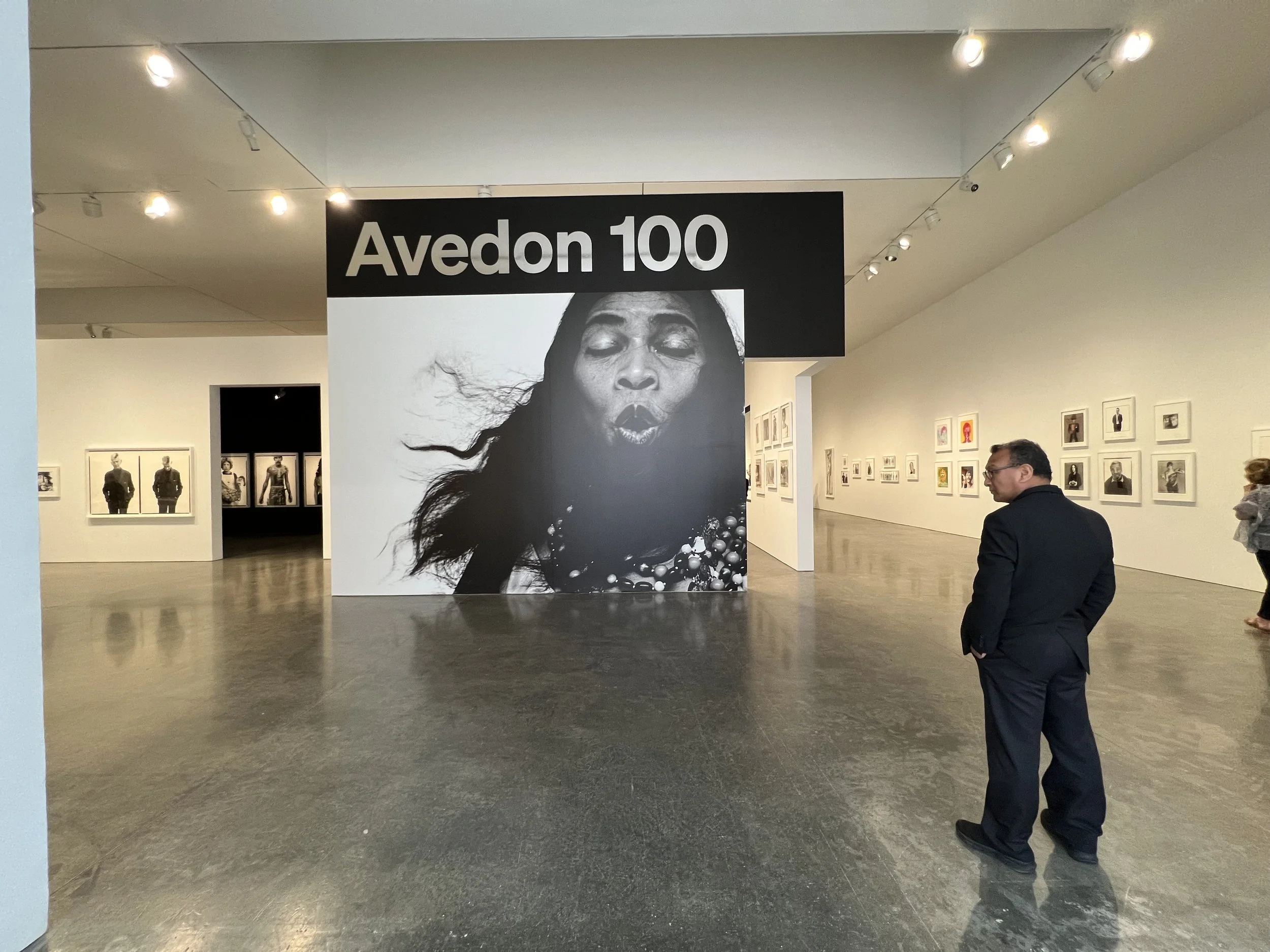
Avedon 100 at Gagosian, New York in 2023
I was once at a Friends in Deed auction years ago, and there was a very large print of Kinski and the Serpent that had been donated for sale, and I told the story of how it was taken. Polly Mellen, the legendary Vogue stylist (who died last year at 100), told it to me. She said Kinski came in wearing just a robe, lay down naked on the seamless (it had been prelim with an assistant standing in). Polly looked at her and stuck the ivory (colored?) bracelet on her wrist; they brought the snake in, it twisted itself onto Kinski, flicked its tongue twice, Dick shot two frames, and they took the snake out. Anyway, I told this story to a woman interested in the photo at that auction (a friend of Tom Cashin, who is Jay Johnson’s husband), and it sold to her for $50,000.
There's been some talk about Avedon's bisexuality, and many people have anecdotes. The Avedon Foundation produced the documentary and Avedon's son, his straight son, I might add, runs it. So, one would imagine they didn't want to “besmirch” the memory of the man with tawdry sexuality. But his 2 ex-wives were talked about; he had fraught relationships with them because of their mental health. And based on his temperament and style, and I don't know, just personality. I can see that in a different time, this might have been a gay man, which says nothing about his character. But most of the time in a documentary, especially when someone's been dead for 25-plus years, that sort of thing is discussed because it is a window into who they are. He didn't reveal it during his life, so it's not revealed in the documentary. Who cares? Unless he had an entirely secret life that he took to the grave? THAT would be interesting.
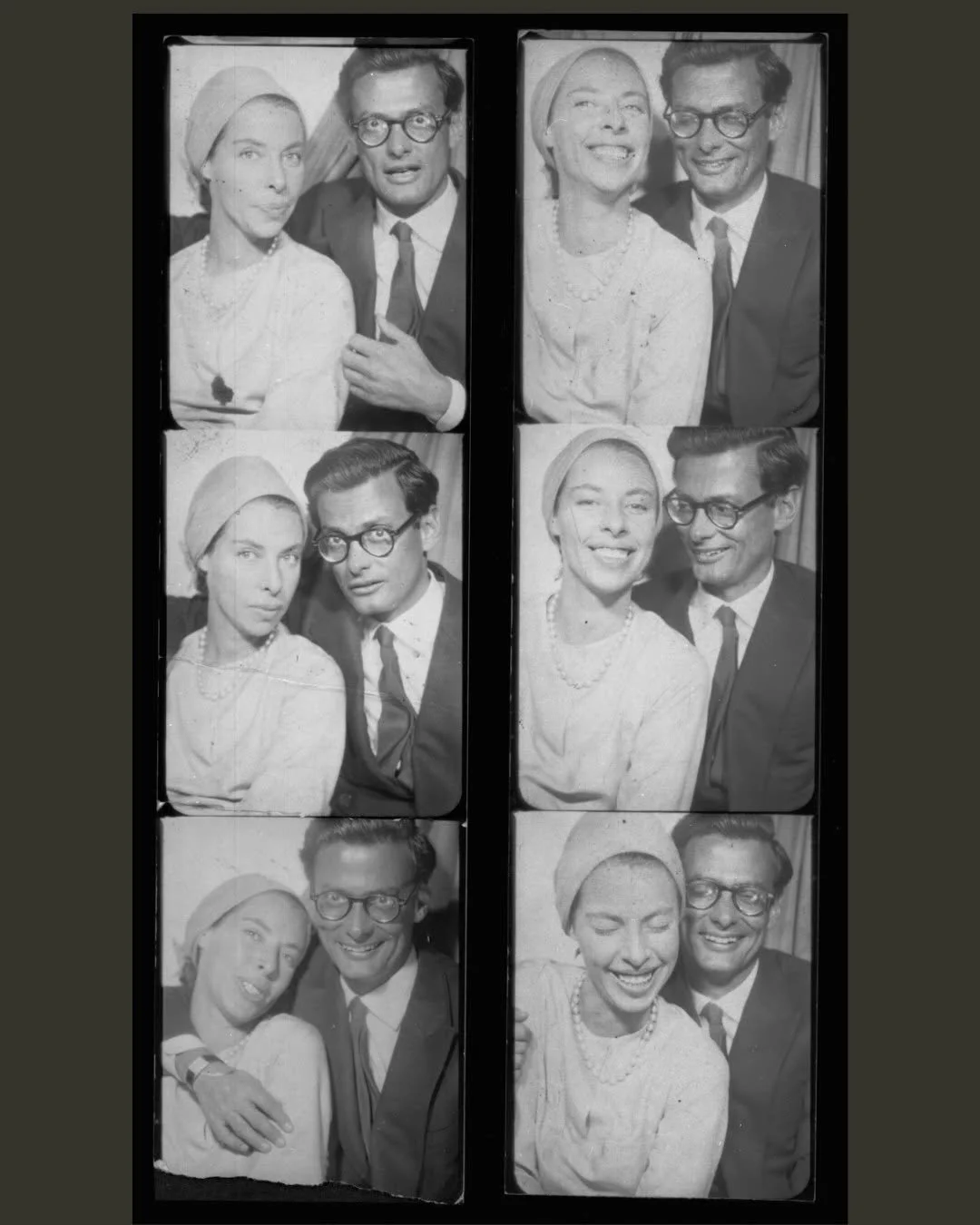
With his first wife Evelyn in 1951
It's very worth seeing this film by Ron Howard; the thought process behind his rigorous approach to photography, his style, his sense of humor, and his incredible, incredible eye are just so apparent. Always, of course, one of my favorite photographers, because, without argument, he's one of the best photographers that ever lived.
I was very surprised to see in the doc that he goes through the archive with James Martin who was interning for him at the time, who is now the Executive Director of the Avedon foundation. They went through all his negatives and contact sheets together and, kept what he liked, and shredded the rest. Well, talk about getting Final Cut. It would be a hard thing to do. Not that there were bad photographs, but he was always about the best of the best. So he didn't want the 500 photographs he took of Marilyn. He edited them down to probably 50.
Anyway, that's my two cents. What a life!